What Is CPAP Therapy and Why Is It Important for Treating Sleep Apnoea?
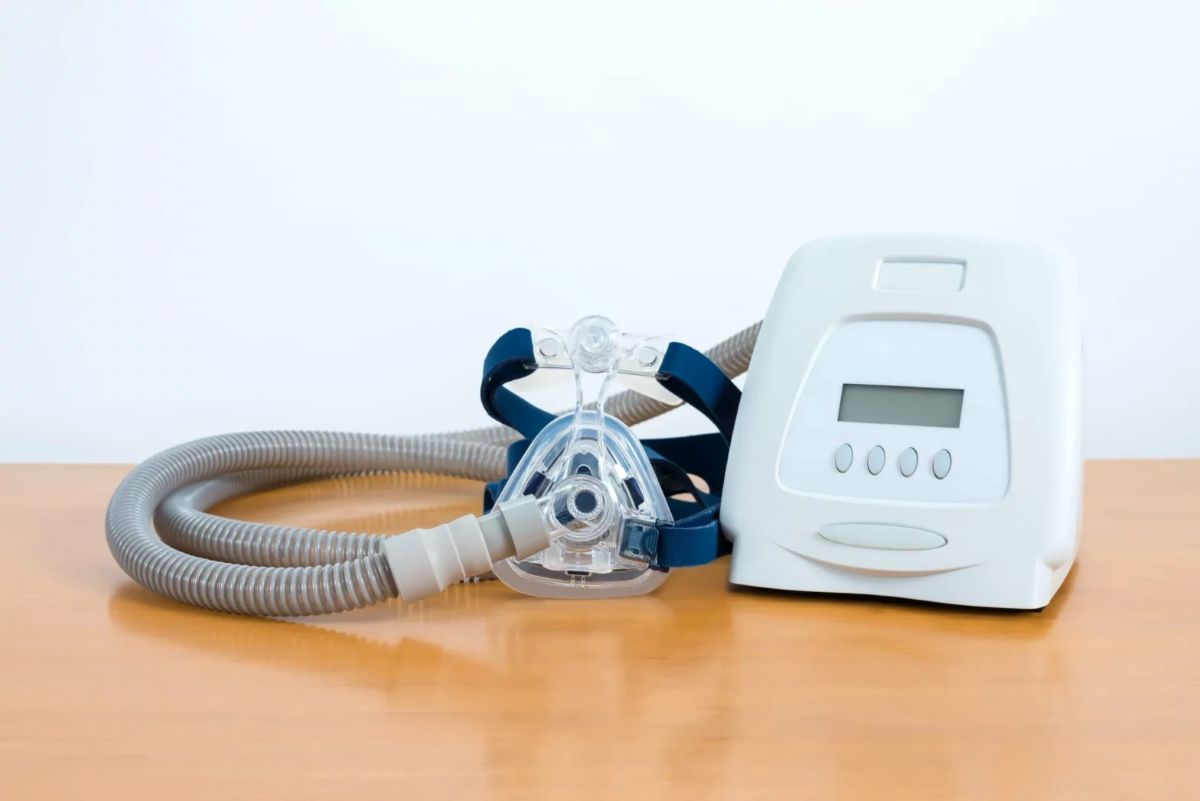
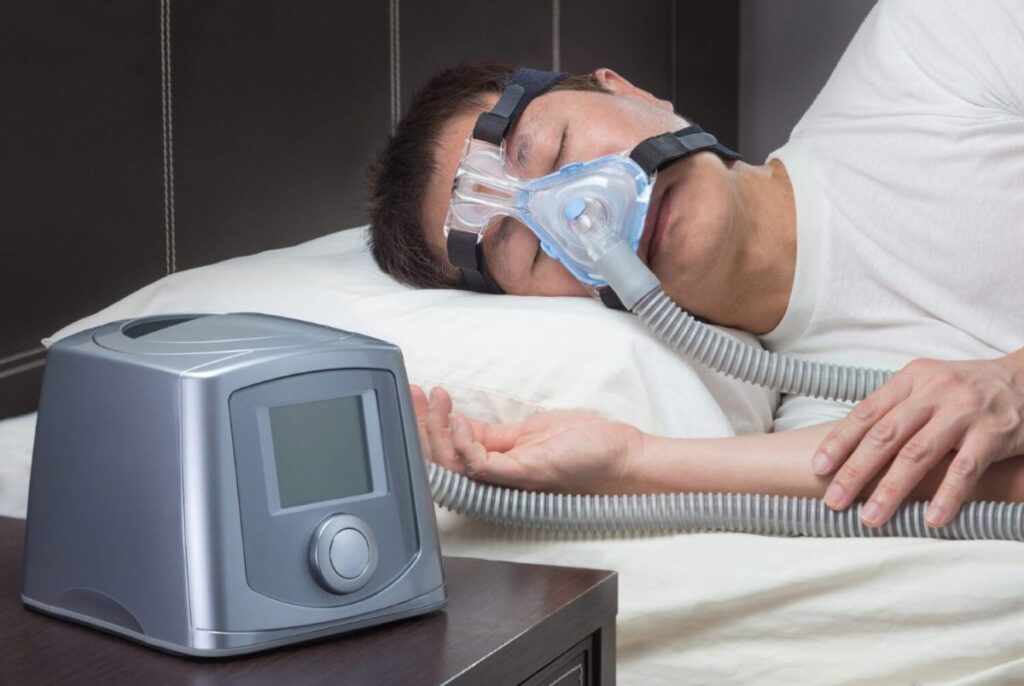
CPAP therapy delivers continuous positive airway pressure through a mask to keep airways open during sleep, making it the gold standard treatment for obstructive sleep apnoea. Sleep apnoea causes repeated breathing interruptions throughout the night, leading to fragmented sleep and reduced oxygen levels.
Sleep apnoea affects more than just sleep quality. Left untreated, this condition increases the risk of:
• High blood pressure and cardiovascular disease
• Type 2 diabetes
• Stroke
• Depression and mood disorders
• Daytime fatigue and reduced concentration
The therapy works by maintaining steady air pressure that prevents throat muscles from collapsing during sleep. This constant airflow eliminates the breathing pauses characteristic of sleep apnoea, allowing users to reach restorative sleep cycles.
CPAP therapy can be life-changing when used consistently. Many users report improved energy levels, better daytime focus, and fewer morning headaches within the first few weeks of treatment. Long-term use also significantly reduces the risk of serious health complications linked to untreated sleep apnoea.
Success with CPAP therapy depends heavily on choosing the best cpap mask for your individual needs. A properly fitted mask ensures effective therapy while maximising comfort—two factors that directly influence long-term compliance. Understanding how CPAP therapy works helps users appreciate why selecting the right mask is essential within Australia’s wide range of available options.
The link between mask comfort and treatment success cannot be overstated. Patients who struggle to find the best cpap mask are far less likely to maintain the recommended nightly usage of at least four hours.
What Are the Main Types of CPAP Masks Available in Australia?
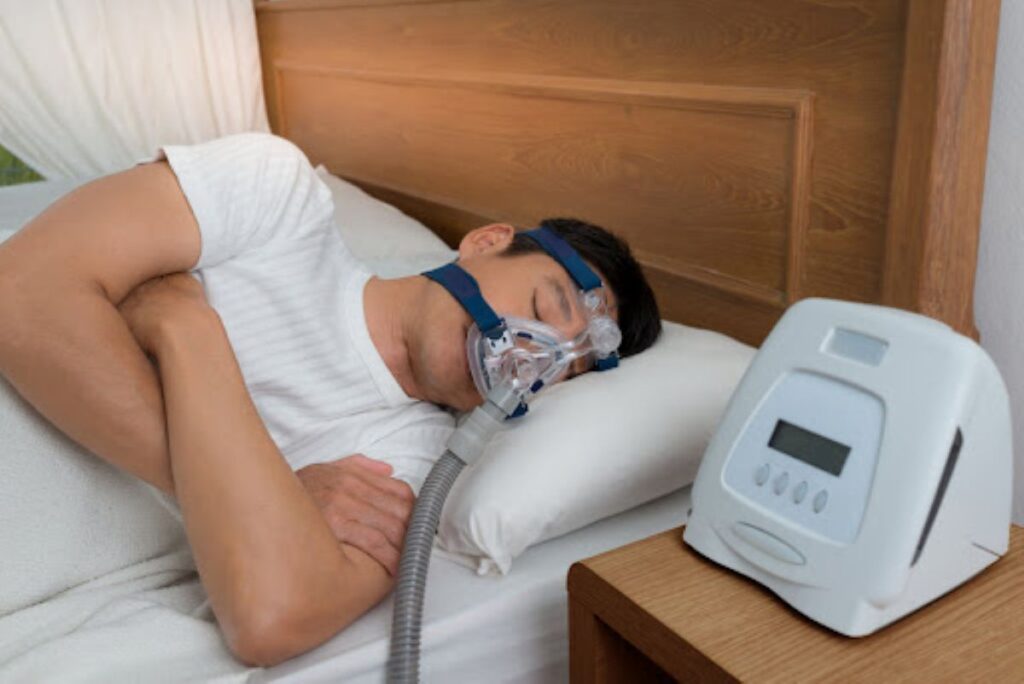
There are three main types of CPAP masks available in Australia: full face CPAP masks, nasal CPAP masks, and nasal pillow masks. Each type is designed to accommodate specific breathing patterns and comfort preferences, making it important for individuals to choose a mask that suits their needs.
1. Full Face CPAP Masks
Full face CPAP masks cover both the nose and mouth, delivering pressurised air through a larger cushioned interface. These masks are ideal for users who breathe through their mouth during sleep, whether it’s a habit or due to nasal congestion, deviated septums, or chronic sinus conditions.
Who benefits most from full face CPAP masks?
Mouth breathers find full face CPAP masks essential for maintaining consistent therapy throughout the night. Users experiencing nasal blockages from allergies, colds, or structural issues also rely on these masks to ensure uninterrupted airflow. People requiring higher pressure settings often prefer the stability and secure seal that full face CPAP masks provide.
Advantages of full face masks:
- Accommodate both nose and mouth breathing patterns
- Prevent air leaks when users open their mouth during sleep
- Suitable for higher pressure therapy requirements
- Effective for users with chronic nasal congestion
- Provide consistent therapy regardless of breathing route
Disadvantages of full face masks:
- Larger profile may feel claustrophobic for some users
- Increased facial contact can cause pressure marks
- Heavier design compared to other mask types
- May interfere with wearing glasses or reading in bed
- Require more frequent cleaning due to larger surface area
- Higher risk of air leaks if not properly fitted
The ResMed AirFit F20 and Fisher & Paykel Simplus are popular full face CPAP masks in Australia. They feature cushioned seals and adjustable headgear to minimise discomfort. These models also have quick-release clips for easy removal during the night and magnetic clips for simplified reassembly.
2. Nasal CPAP Masks
What makes nasal CPAP masks different from other options? Nasal CPAP masks cover only the nose, creating a seal around the nasal area whilst leaving the mouth completely free. These masks work best for people who naturally breathe through their nose during sleep and don’t experience significant nasal congestion.
The design typically features a cushioned triangle or teardrop-shaped mask that rests on the bridge of the nose and extends down to just above the upper lip. This configuration provides a stable seal without the bulk of full face CPAP masks, making them a middle-ground option in the Australian market between full face and nasal pillow masks Australia.
Who should consider using nasal masks? Nose breathers who want less facial coverage than full face CPAP masks benefit most from nasal masks. People who feel claustrophobic with larger masks often find nasal options more tolerable. Users who sleep in various positions—back, side, or stomach—appreciate the flexibility these masks provide.
Individuals with facial hair around the mouth area also prefer nasal CPAP masks since the seal doesn’t extend to that region, eliminating potential leak issues that plague full face CPAP masks. Those who wear glasses or read before bed value the unobstructed field of vision these masks offer.
What advantages do nasal masks provide?
- Less facial contact: The smaller footprint reduces skin irritation and pressure points compared to full face CPAP masks
- Better field of vision: Users can wear glasses, watch television, or read comfortably before sleep
- Lighter weight: The reduced material makes these masks feel less intrusive during therapy
- Natural breathing: Encourages nasal breathing, which filters and humidifies air more effectively than mouth breathing
- Versatile sleeping positions: The compact design accommodates side and stomach sleepers better than bulkier alternatives
- Lower air pressure requirements: Some users find they need less pressure to maintain an effective seal
- Quieter operation: Smaller exhalation ports typically produce less noise than those on full face CPAP masks
What disadvantages should users be aware of?
- Not suitable for mouth breathers: Users who breathe through their mouth during sleep will experience discomfort or inadequate therapy with this type of mask.
- Potential discomfort for some users: While many find them comfortable, others may experience pressure points or discomfort on the bridge of the nose.
- Limited effectiveness for certain conditions: Nasal CPAP masks may not be as effective for individuals with specific sleep disorders that require higher levels of air pressure.
- Nasal congestion issues: If you have a cold, allergies, or any condition causing nasal congestion, this mask may not provide optimal therapy.
3. Nasal Pillow Masks
Nasal pillow masks offer the most minimalist design among CPAP options, featuring small cushions that insert directly into the nostrils rather than covering the entire nose. This lightweight approach appeals to users seeking maximum freedom of movement during sleep and minimal facial contact.
The design consists of two soft silicone pillows attached to a frame, held in place by thin headgear straps. Unlike full face CPAP masks or traditional nasal CPAP masks, these masks leave most of the face exposed, making them ideal for users who feel claustrophobic with larger mask styles or want to read or wear glasses before sleep.
Key Benefits of Nasal Pillow Masks
- Minimal facial contact: reduces the risk of skin irritation and pressure marks that sometimes develop with larger mask designs. Users who sleep on their side or stomach particularly appreciate this style, as the compact design doesn’t interfere with pillow positioning.
- Open field of vision: allows users to read comfortably before sleep, watch television without obstruction, wear glasses without interference, and feel less confined during therapy.
- Lightweight construction: makes nasal pillow masks among the quietest CPAP options available. The reduced material and simplified design mean less air diffusion noise, benefiting both users and their sleeping partners.
- Travel convenience: stands out as another advantage. These masks pack smaller than full face CPAP masks, taking up minimal space in luggage whilst maintaining their structural integrity.
Potential Drawbacks to Consider
- Nostril sensitivity: presents the primary concern for some users. The direct insertion of pillows into the nostrils can cause discomfort, particularly during initial adjustment periods. Higher pressure settings may exacerbate this sensation, making nasal pillow masks less suitable for users requiring pressures above 15 cmH2O.
- Nasal dryness: occurs more frequently with this mask type compared to other styles. The concentrated airflow directly into the nostrils can lead to irritation, though heated humidification typically addresses this issue effectively.
- Mouth breathing: renders nasal pillow masks ineffective. Users who breathe through their mouth during sleep—whether habitually or due to congestion—will experience air leakage.
Which Are the Top Full Face CPAP Masks in Australia?
The ResMed AirFit F20 and Fisher & Paykel Simplus consistently rank as Australia’s most recommended full face CPAP masks. These models dominate full face CPAP mask reviews due to their superior seal technology, comfort-focused designs, and proven reliability across diverse facial structures.
ResMed AirFit F20: Premium Comfort and Adaptability
The ResMed AirFit F20 features InfinitySeal cushion technology that adapts to different facial contours throughout the night. This flexible cushion design maintains an effective seal even when users shift sleeping positions, reducing the frustrating air leaks that often disrupt therapy.
Key features that make the F20 stand out:
- QuietVent technology disperses exhaled air gently, minimising noise and draught
- Magnetic clips allow for quick mask attachment and removal without threading headgear
- Plush headgear with soft fabric reduces pressure marks on the face
- Modular frame design enables easy cleaning and part replacement
Australian users particularly appreciate the F20’s soft-touch fabric that sits against the face rather than traditional silicone straps. This design choice significantly reduces red marks and skin irritation, especially important for those wearing the mask 7-8 hours nightly.
The mask accommodates facial hair well, with the cushion creating a reliable seal even for users with beards or moustaches. This versatility explains why sleep clinics across Australia frequently recommend the F20 as a first-choice full face option. Visit https://www.tga.gov.au/safety/recalls-and-other-market-actions/market-actions/resmed-masks-magnets to get more about Resmed masks with magents.
Fisher & Paykel Simplus: Simplicity Meets Performance
The Fisher & Paykel Simplus takes a different approach with its RollFit XT seal that automatically adjusts to facial movements. This seal rolls back and forth on the bridge of the nose, maintaining contact without requiring excessive tightness.
Distinctive advantages of the Simplus:
- Single-piece frame reduces weight and bulk on the face
- Ergo form headgear with four adjustment points ensures customised fit
- Glider strap system allows the mask to move naturally with head position changes
What Makes Nasal Masks a Popular Choice Among Australian Users?
Nasal masks dominate the Australian CPAP market because they offer an ideal balance between coverage and comfort for nose breathers. These masks cover only the nose, creating a secure seal around the nasal area whilst leaving the mouth completely free, which appeals to users who maintain nasal breathing throughout the night.
The Core Benefits of Nasal CPAP Masks
Users who breathe exclusively through their nose find nasal masks provide several distinct advantages. The reduced facial coverage means less material touching the skin, which minimises the risk of pressure marks and skin irritation that can develop with larger mask designs. The open field of vision allows users to read, watch television, or wear glasses comfortably before sleep without the obstruction that full face masks create.
The lighter weight of nasal masks compared to full face alternatives means less pulling on the face during sleep. This characteristic proves particularly valuable for side sleepers and those who move frequently during the night, as the mask maintains its seal without requiring excessive strap tension.
ResMed AirFit N20: Engineering Meets Comfort
The ResMed AirFit N20 represents a breakthrough in nasal CPAP mask design through its InfinitySeal cushion technology. This cushion adapts to different facial contours and movements throughout the night, maintaining an effective seal even when users shift positions. The integrated cushion clip system allows for quick removal and reattachment, making nightly cleaning routines significantly faster.
The N20’s frame sits under the eyes rather than across the bridge of the nose, which eliminates a common pressure point that causes discomfort in older mask designs. This positioning also accommodates glasses wearers who want to read before switching off the light. The soft, flexible frame follows natural facial movements without creating rigid pressure points that can wake users during the night.
Key features of the AirFit N20:
- Magnetic clips for easy headgear attachment
- Curved cushion design that adapts to various face shapes
- Quiet diffused venting that directs air away from bed partners
- Minimal contact points reducing facial marks
AirFit N30i: The Revolutionary Top-of-Head Connection
The AirFit N30i challenges conventional nasal mask design.
Why Might Users Prefer Nasal Pillow Masks Like the ResMed AirFit P10 or BMC P2?
Nasal pillow masks appeal to users seeking the absolute minimum facial coverage during CPAP therapy. These minimal contact CPAP masks feature small, soft cushions that insert gently into the nostrils rather than covering the entire nose, creating an open field of vision and reducing the sensation of claustrophobia many users experience with larger mask styles.
The Design Philosophy Behind Nasal Pillow Masks
The nasal pillow design represents a departure from traditional mask construction. Instead of sealing around the nose’s exterior, these masks use dual-cushion pillows that rest at the nostril entrance, delivering pressurised air directly into the nasal passages. This approach eliminates the need for rigid frames across the face, making them particularly attractive to users who feel confined by conventional masks.
Active sleepers benefit significantly from this design. The lightweight construction—often weighing less than 60 grams—means the mask stays in place even during frequent position changes throughout the night. Users who read, watch television, or wear glasses before sleep appreciate the unobstructed view these masks provide.
ResMed AirFit P10: Quiet Comfort in a Compact Package
The ResMed AirFit P10 has earned recognition as one of the quietest CPAP masks available in Australia. Its QuietAir vent technology disperses exhaled air gently, producing only 21 decibels of sound—quieter than a whisper. This feature addresses a common complaint from both users and their sleeping partners.
Key features of the AirFit P10 include:
- Dual-wall nasal pillows that adapt to individual nostril shapes whilst maintaining an effective seal
- Split-strap headgear design that distributes pressure evenly and prevents the mask from sliding during sleep
- Three cushion sizes (small, medium, large) included in each package for personalised fitting
- Minimal parts requiring replacement, reducing long-term maintenance costs
The mask’s flexible frame bends and moves with the user, accommodating various sleeping positions without compromising the seal. Australian users particularly value the P10’s ability to provide comfort and quietness throughout their CPAP therapy sessions. Check out more about Understanding the Benefits of a Home Oxygen Machine.
How Do Australian Suppliers Ensure Comfort, Durability, And Affordability In Their CPAP Masks?
Australian suppliers prioritise three key design elements: adjustable straps CPAP masks for customisable fit, soft cushions CPAP masks for facial comfort, and robust construction standards that deliver durable CPAP masks Australia users can rely on long-term. These features directly address the most common complaints from CPAP users—poor fit, skin irritation, and frequent replacement costs.
Adjustable Headgear Systems
Most quality CPAP masks sold in Australia incorporate multi-point adjustment systems that allow users to fine-tune the fit around their unique facial contours. ResMed’s QuietAir technology, for instance, includes four-point headgear adjustments that distribute pressure evenly across the head, reducing red marks and discomfort during extended wear. Fisher & Paykel designs feature easy-clip mechanisms that enable quick adjustments without removing the entire mask, particularly beneficial for users who shift positions throughout the night.
Advanced Cushion Technology
Suppliers invest heavily in cushion materials that balance softness with effective sealing. Silicone remains the gold standard, offering hypoallergenic properties and flexibility that moulds to facial features. Premium models incorporate dual-wall cushions with air-filled chambers that create a gentle, adaptive seal without requiring excessive strap tension. Memory foam alternatives have emerged in budget ranges, providing adequate comfort whilst maintaining lower price points.
Durability Standards and Material Quality
The Australian market demands masks that withstand humid conditions and frequent cleaning routines. Medical-grade silicone cushions typically last 3-6 months with proper care, whilst headgear fabrics resist stretching and maintain elasticity through repeated washing cycles. Clip systems and frame components undergo stress testing to ensure they don’t crack or weaken during normal use. Many suppliers offer individual replacement parts rather than requiring full mask purchases, extending the overall lifespan of the system.
Budget-Conscious Options
Australian retailers stock masks across diverse price ranges to accommodate different financial situations:
- Entry-level masks (£80-£120): Basic nasal pillows and simple nasal masks with standard cushions and three-point adjustments
- Mid-range options (£120-£200): Advanced nasal masks featuring improved cushioning technologies and four-point adjustments
- Premium selections (£200+): Full face masks with dual-wall cushions, memory foam alternatives, or innovative designs for specific sleeping positions
By offering a wide array of choices at various price points, Australian suppliers ensure that individuals seeking affordable yet effective CPAP solutions can find suitable options without compromising on comfort or durability.
Which Brands Lead The Australian Market For Full Face And Nasal Masks?
ResMed Australia, Fisher & Paykel Australia, and BMC CPAP masks Australia dominate the local market, each bringing distinct strengths to sleep apnoea treatment. These manufacturers have established themselves through consistent innovation, rigorous quality standards, and comprehensive product ranges that address virtually every user scenario.
ResMed Australia: Innovation and Market Leadership
ResMed holds the largest market share in Australia, partly because the company originated in Sydney in 1989. Their AirFit series—including the F20 full face mask, N20 nasal mask, and P10 nasal pillow—represents the gold standard for many sleep clinics and home users.
The brand’s reputation stems from:
- QuietAir™ technology that reduces noise to whisper-quiet levels
- Magnetic clips for quick mask attachment and removal
- InfinitySeal™ cushions that adapt to different facial structures
- Extensive sizing options across all mask types
ResMed’s Australian operations provide localised customer support, warranty services, and rapid replacement parts delivery. Their masks typically sit in the mid-to-premium price range, reflecting advanced engineering and materials.
Fisher & Paykel Australia: Comfort-Focused Design
Fisher & Paykel Healthcare brings a New Zealand-Australasian perspective to CPAP mask design. Their Simplus full face mask and Brevida nasal pillow mask have earned loyal followings among Australian users who prioritise comfort during extended wear.
Key differentiators include:
- RollFit™ seal technology that moves with facial contours
- Minimal facial contact points to reduce pressure marks
- Simple, intuitive headgear adjustment systems
- Washable components designed for Australian climates
The brand appeals particularly to users experiencing skin sensitivity or claustrophobia. Fisher & Paykel products often feature softer silicone formulations and ergonomic designs that accommodate side sleepers. Their pricing aligns closely with ResMed, though certain models offer more budget-conscious entry points.
BMC CPAP Masks Australia: Value Without Compromise
BMC Medical has carved out a significant
FAQs (Frequently Asked Questions)
What is CPAP therapy and why is it important for treating sleep apnea?
CPAP therapy involves using a Continuous Positive Airway Pressure device to keep airways open during sleep. It is crucial for treating sleep apnea as it helps prevent interruptions in breathing, thereby improving overall health and sleep quality.
What are the main types of CPAP masks available in Australia?
The main types of CPAP masks in Australia include full face masks, nasal masks, and nasal pillow masks. Each type caters to different breathing preferences and comfort needs, such as mouth breathers or those with nasal obstructions.
Which are the top full face CPAP masks recommended in Australia?
Popular full face CPAP masks in Australia include the ResMed AirFit F20 and Fisher & Paykel Simplus. These models are favoured for their comfort, fit, and superior seal quality among Australian users.
Why are nasal masks a popular choice among Australian CPAP users?
Nasal masks are preferred by users who primarily breathe through their nose. Models like the ResMed AirFit N20 and N30i offer design features that enhance comfort and user experience, making them popular choices in Australia.
What makes nasal pillow masks like ResMed AirFit P10 or BMC P2 appealing to users?
Nasal pillow masks provide minimal facial contact which enhances comfort and ease of use. Popular models such as the ResMed AirFit P10 and BMC P2 are appreciated for their lightweight design and effective performance.
How do Australian suppliers ensure comfort, durability, and affordability in their CPAP masks?
Australian suppliers focus on features like adjustable straps for a better fit, soft cushions for enhanced comfort, and durable materials to meet local standards. They also offer budget-friendly options to cater to diverse consumer needs.