

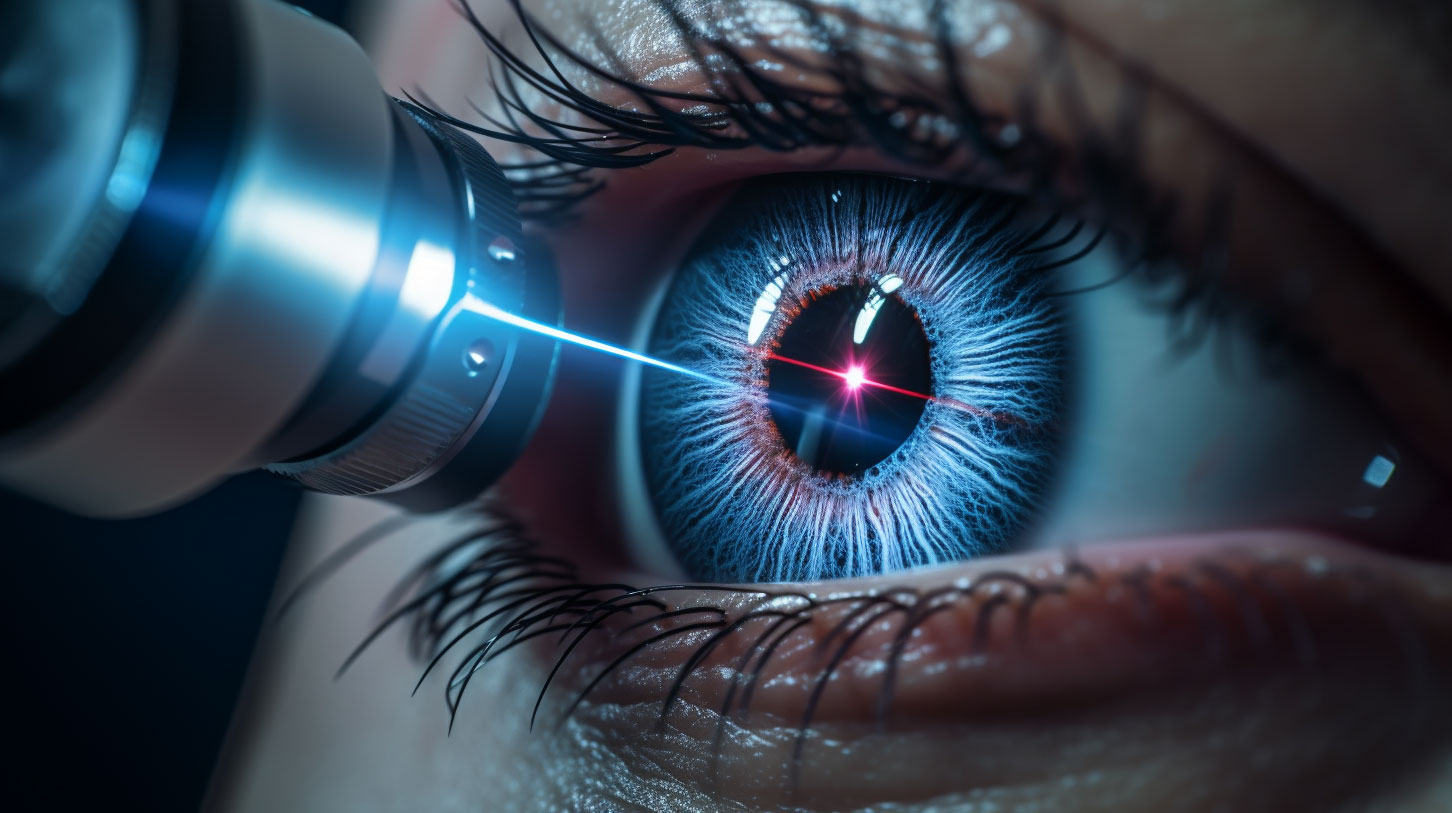
Laser eye surgery has helped millions of people around the world reduce or eliminate their dependence on glasses and contact lenses. In Australia, it has become one of the most commonly performed elective eye procedures, trusted by patients seeking clearer vision, convenience, and long-term value.
If you’re researching laser eye surgery for the first time, it’s normal to have questions about how it works, how much it costs, how safe it is, and what recovery really feels like. This guide is written to give you clear, medically accurate, and easy-to-understand answers—without hype or jargon.
What Is Laser Eye Surgery and How Does It Work?
Laser eye surgery is a group of procedures designed to reshape the cornea, the clear front surface of the eye, so that light focuses correctly on the retina. When light focuses properly, vision becomes clearer without the need for glasses or contact lenses.
Why Vision Becomes Blurry
Most people consider laser eye surgery to correct:
- Short-sightedness (myopia) – difficulty seeing distant objects
- Long-sightedness (hyperopia) – difficulty seeing close objects
- Astigmatism – distorted or blurry vision due to an irregularly shaped cornea
Laser technology reshapes the cornea with extreme precision, often correcting vision in minutes per eye.
How the Laser Changes Vision
The laser removes microscopic amounts of corneal tissue—thinner than a human hair—based on a customised map of your eye. Modern systems use wavefront and topography-guided imaging, meaning treatment is tailored to your unique eye shape rather than a one-size-fits-all approach.
Types of Laser Eye Surgery Explained
Not all laser eye surgery is the same. Your eye surgeon will recommend a procedure based on your eye health, prescription, corneal thickness, and lifestyle.
LASIK (Laser-Assisted In Situ Keratomileusis)
LASIK is the most well-known and commonly performed laser eye surgery.
How it works:
- A thin flap is created on the cornea
- The laser reshapes the underlying tissue
- The flap is repositioned and heals naturally
Best for:
- Mild to moderate prescriptions
- People wanting fast visual recovery
Pros:
- Minimal discomfort
- Vision often improves within 24 hours
- Short recovery time
Considerations:
- Not suitable for very thin corneas
- Temporary dry eyes are common
PRK (Photorefractive Keratectomy)
PRK was the first form of laser eye surgery and is still widely used today.
How it works:
- The surface layer of the cornea is gently removed
- The laser reshapes the cornea directly
- The surface layer regenerates naturally
Best for:
- Thin corneas
- People in contact sports or physically demanding jobs
Pros:
- No corneal flap
- Lower risk of flap-related complications
Considerations:
- Longer recovery than LASIK
- Mild discomfort for a few days
SMILE (Small Incision Lenticule Extraction)
SMILE is a newer, minimally invasive laser eye surgery.
How it works:
- The laser creates a small disc of tissue inside the cornea
- The surgeon removes it through a tiny incision
Best for:
- Short-sightedness and astigmatism
- Patients concerned about dry eyes
Pros:
- No corneal flap
- Smaller incision
- Reduced dry eye symptoms for some patients
Considerations:
- Not suitable for all prescriptions
- Availability depends on clinic technology
Who Is Eligible for Laser Eye Surgery?
Most adults are suitable candidates, but eligibility depends on eye health rather than age alone.
You May Be a Good Candidate If:
- You’re over 18 years old
- Your prescription has been stable for at least 12 months
- Your eyes are healthy, with no significant disease
- You are not pregnant or breastfeeding
- Your corneas are thick enough for safe treatment
Who Should Avoid or Delay Laser Eye Surgery?
Laser eye surgery may not be recommended if you have:
- Advanced keratoconus
- Severe dry eye disease
- Uncontrolled diabetes
- Autoimmune conditions affecting healing
- Very unstable vision
A comprehensive eye assessment is essential before proceeding.
Is Laser Eye Surgery Safe? Risks and Success Rates
Laser eye surgery is considered one of the safest elective medical procedures when performed by experienced surgeons using modern technology.
Success Rates
- Over 95% of patients achieve legal driving vision or better
- Most patients achieve 20/20 vision or close to it
- Satisfaction rates consistently exceed 90%
Possible Risks and Side Effects
While serious complications are rare, potential side effects include:
- Temporary dry eyes
- Night-time glare or halos
- Mild visual fluctuations during healing
- Under- or over-correction (sometimes requiring enhancement)
Your surgeon will explain individual risks during consultation.
Step-by-Step: What Happens During Laser Eye Surgery?
Before the Procedure
- Comprehensive eye examination
- Corneal mapping and measurements
- Review of medical history
- Discussion of expectations and outcomes
On the Day
- Procedure takes 10–15 minutes per eye
- Local anaesthetic eye drops are used
- You remain awake and comfortable
During the Procedure
- The laser reshaping itself usually takes less than 30 seconds per eye
- You may feel slight pressure, but no pain
- Vision may be blurry immediately afterwards
After the Procedure
- Short rest period
- Protective eye shields provided
- You go home the same day
Laser Eye Surgery Recovery Timeline
First 24–48 Hours
- Blurry or hazy vision is normal
- Mild irritation or dryness
- Avoid rubbing your eyes
- Rest is recommended
First Week
- Vision stabilises rapidly (especially after LASIK)
- Prescription eye drops used regularly
- Most people return to work within 2–5 days
First Month
- Vision continues to refine
- Night glare gradually improves
- Dry eye symptoms reduce
3–6 Months
- Full healing for most patients
- Vision stabilises long-term
PRK recovery is slower, while LASIK and SMILE recover more quickly.
Laser Eye Surgery Costs in Australia
Average Cost (Per Eye)
| Procedure | Typical Cost (AUD) |
|---|---|
| LASIK | $2,500 – $3,500 |
| PRK | $2,200 – $3,200 |
| SMILE | $3,000 – $4,000 |
What’s Usually Included
- Pre-operative assessments
- Surgeon fees
- Laser technology
- Follow-up appointments
- Enhancement procedures (often within a time window)
Laser eye surgery is not covered by Medicare, but some private health funds may offer limited rebates.
Benefits vs Limitations of Laser Eye Surgery
Key Benefits
- Reduced dependence on glasses or contacts
- Long-term cost savings
- Improved lifestyle convenience
- Quick procedure and recovery
- High satisfaction rates
Limitations to Consider
- Not reversible
- Age-related vision changes (presbyopia) still occur
- Dry eye symptoms may occur temporarily
- Results depend on individual eye health
Expert Tips Before Choosing Laser Eye Surgery
- Choose a clinic based on experience and technology, not price alone
- Ask how many procedures the surgeon performs annually
- Request clear explanations of risks and alternatives
- Follow pre- and post-operative instructions carefully
- Be realistic about outcomes
Final Thoughts
Laser eye surgery is a safe, effective, and well-established option for correcting vision when performed on suitable candidates. Understanding how the procedure works, what recovery involves, and what costs are realistic allows you to make an informed and confident decision.
Always consult a qualified ophthalmologist to determine whether laser eye surgery is right for your eyes and your lifestyle.
Frequently Asked Questions (FAQs)
Does laser eye surgery hurt?
No. Anaesthetic eye drops are used. Mild discomfort may occur during early recovery.
How long does laser eye surgery last?
Results are long-lasting, but natural ageing of the eyes can still affect vision later in life.
Can both eyes be treated at once?
Yes. Most procedures treat both eyes in the same session.
Is laser eye surgery permanent?
The corneal reshaping is permanent, though age-related vision changes can still occur.
When can I drive again?
Most patients can drive within 24–48 hours, once cleared by their surgeon.