What Is Obstructive Sleep Apnea and Why Is It Important to Diagnose?
Obstructive Sleep Apnea (OSA) occurs when throat muscles relax excessively during sleep, causing the airway to collapse and block normal breathing. These blockages create repeated breathing pauses called apneas, which fragment sleep and drop oxygen levels throughout the night.
Symptoms of Obstructive Sleep Apnea
Obstructive sleep apnea symptoms manifest in distinct patterns that affect both nighttime and daytime functioning:
- Loud, chronic snoring often punctuated by gasping or choking sounds
- Excessive daytime sleepiness despite spending adequate time in bed
- Morning headaches and waking feeling unrefreshed
- Restless sleep with frequent tossing and turning
- Difficulty concentrating and memory problems
Risks of Untreated Obstructive Sleep Apnea
The importance of diagnosis extends beyond poor sleep quality. OSA risks encompass serious health complications of sleep apnea that develop when the condition remains untreated. Repeated oxygen drops and sleep fragmentation trigger a cascade of cardiovascular problems including hypertension, irregular heart rhythms, and increased risk of heart attack and stroke.
Metabolic consequences are equally concerning. OSA disrupts normal glucose metabolism, raising diabetes risk and making existing diabetes harder to control. The condition also contributes to mood disorders, workplace accidents due to impaired alertness, and reduced quality of life. Early diagnosis through a Sleep Apnea Test Perth allows for timely intervention before these complications become entrenched.
How Is Sleep Apnea Assessed in Perth?
Sleep apnea assessment Perth involves two primary diagnostic approaches: in-laboratory polysomnography and home-based sleep studies. Both methods monitor breathing patterns, oxygen levels, and sleep quality throughout the night to identify apnea events.
In-Laboratory Polysomnography
Polysomnography Perth facilities offer comprehensive overnight testing in a clinical setting. Patients sleep in a dedicated room while technicians monitor multiple parameters including brain waves, eye movements, heart rate, breathing effort, and blood oxygen saturation. This detailed approach captures extensive data but requires spending a night away from home.
Home Sleep Studies
Home sleep study options have become increasingly popular across Perth. These studies are designed to be user-friendly and can be conducted in the comfort of your own home using portable monitoring equipment. The equipment records essential metrics like airflow, breathing effort, oxygen levels, and body position. The familiar environment often produces more representative sleep patterns compared to a clinical setting, where some individuals struggle to sleep normally.
Key advantages of home testing include:
- Comfort and convenience: sleeping in your own bed
- Lower cost: compared to laboratory studies
- Reduced waiting times: for appointments
- Natural sleep patterns: without clinical environment stress
It’s important to note that home sleep tests have specific protocols and guidelines that should be followed for accurate results.
The Role of Sleep Physicians
Qualified sleep physicians review all test data regardless of where the study occurs. These specialists analyze breathing disruptions, oxygen desaturation events, and sleep architecture to confirm an OSA diagnosis. The physician’s interpretation remains critical, as raw data requires expert analysis to determine severity and appropriate treatment pathways.
What Factors Impact the Outcomes of a Sleep Apnea Test?
Multiple factors affecting sleep apnea test results determine both the severity detected and the accuracy of your assessment. Physical characteristics play a primary role—narrow airways, enlarged tonsils, or a thick neck circumference can intensify airway collapse during sleep, leading to more severe test readings.
Body Weight
Body weight significantly influences OSA detection and severity. Excess weight deposits fat around the upper airway, increasing collapse risk during sleep. Patients with obesity typically show higher apnea-hypopnea index (AHI) scores, which measure breathing interruptions per hour.
Lifestyle and Medication Factors
Lifestyle and medication factors include:
- Alcohol consumption within four hours of sleep relaxes throat muscles, worsening airway obstruction and potentially inflating test severity
- Sedatives, muscle relaxants, and certain pain medications suppress breathing reflexes
- Sleep position—back sleeping often produces worse results than side sleeping
Nasal Congestion
Nasal congestion from allergies, colds, or structural issues forces mouth breathing, which destabilizes the airway. This anatomical feature OSA connection means temporary congestion can affect test accuracy, sometimes masking or exaggerating true OSA severity.
Pre-existing Medical Conditions
Pre-existing medical conditions such as hypothyroidism, heart failure, or neurological disorders alter breathing patterns during sleep. These conditions can complicate interpretation of results, requiring experienced sleep physicians to distinguish between primary OSA and breathing disturbances from other causes. The lifestyle impact on OSA assessment extends to smoking status, caffeine intake timing, and recent sleep deprivation—all potentially skewing overnight monitoring data.

How Can Someone Find the Right Specialist for Sleep Apnea Testing in Perth?
Finding a sleep specialist in Perth starts with your general practitioner (GP). They can evaluate your symptoms and refer you to a qualified sleep doctor or clinic. This first appointment is important because it allows the doctor to review your medical history and determine the best testing options for your specific situation.
Factors to Consider When Choosing a Sleep Clinic
When selecting a sleep clinic, it’s important to consider several key factors:
- Accreditation status: Make sure the clinic is currently accredited by the Australasian Sleep Association.
- Physician qualifications: Check that the sleep physician has received specialized training in sleep medicine and respiratory disorders.
- Testing options available: Find out if they offer both home sleep studies and in-laboratory polysomnography.
- Turnaround time: Ask about how long it usually takes to get an appointment and receive test results.
- Bulk billing availability: Inquire about Medicare rebates and any out-of-pocket expenses.
The right specialist should have experience specifically in diagnosing and treating obstructive sleep apnea (OSA), rather than just general sleep disorders. Look for doctors who take the time to discuss treatment options in detail and explain test results clearly. It’s beneficial to consult specialists who are well-versed in the latest research and practices in the field, such as those outlined in this study on sleep apnea.
Additional Referral Pathways for Sleep Studies
In some cases, your GP may also refer you to an ear, nose, and throat (ENT) specialist if they notice any anatomical issues during their examination. Conditions such as enlarged tonsils, a deviated septum, or structural abnormalities in the throat may require evaluation by an ENT doctor alongside the sleep physician. These specialists work together to address both breathing mechanics and airway structure problems. Read more about understanding your night-time patterns with a comprehensive sleep test Brisbane services offer.
What Are the Typical Treatment Options Following a Sleep Apnea Diagnosis?
Treatment approaches for treating obstructive sleep apnea Perth depend on severity, with mild cases often responding well to lifestyle modifications while moderate to severe OSA requires more active intervention.
Lifestyle Changes for Mild OSA
For patients with mild obstructive sleep apnea, doctors typically recommend:
- Weight loss if overweight, as excess tissue around the neck contributes to airway collapse
- Reducing alcohol intake, particularly in the evening hours when it relaxes throat muscles
- Sleeping on your side rather than your back
- Establishing consistent sleep schedules
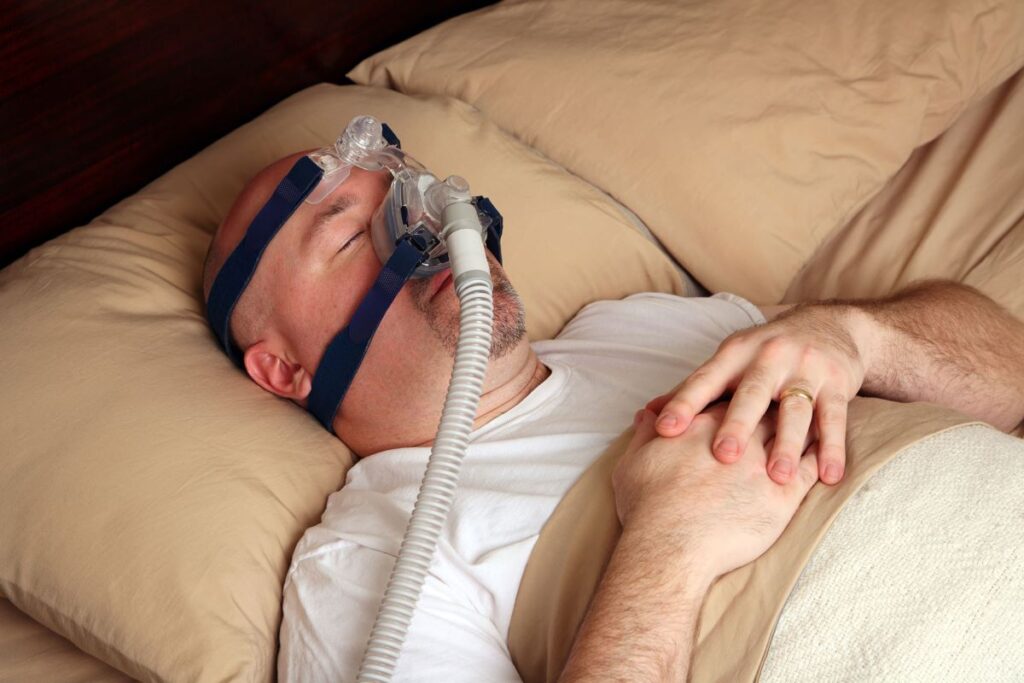
CPAP Therapy for Moderate to Severe Cases
CPAP therapy Perth remains the gold standard for moderate to severe OSA. The device delivers continuous pressurized air through a mask worn during sleep, preventing airway collapse. While adjustment takes time, CPAP effectively eliminates breathing pauses and restores oxygen levels throughout the night.
Alternative Treatment Options
When CPAP proves challenging, alternatives include:
- Oral appliances custom-fitted by dentists, which reposition the jaw to keep airways open
- Surgical interventions such as uvulopalatopharyngoplasty (UPPP) or jaw repositioning surgery when anatomical abnormalities significantly contribute to obstruction
- Positional therapy devices that prevent back-sleeping
Your sleep physician will recommend the most appropriate treatment based on your Sleep Apnea Test Perth results, severity level, and individual circumstances.