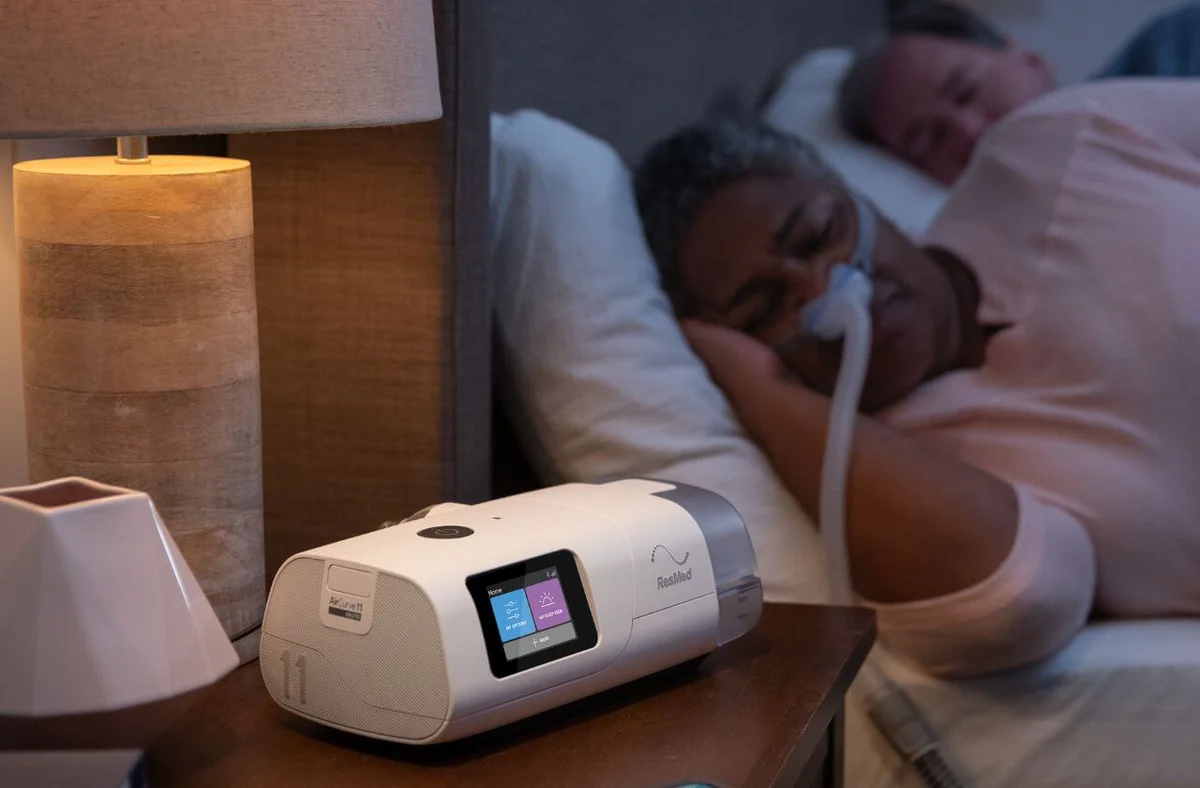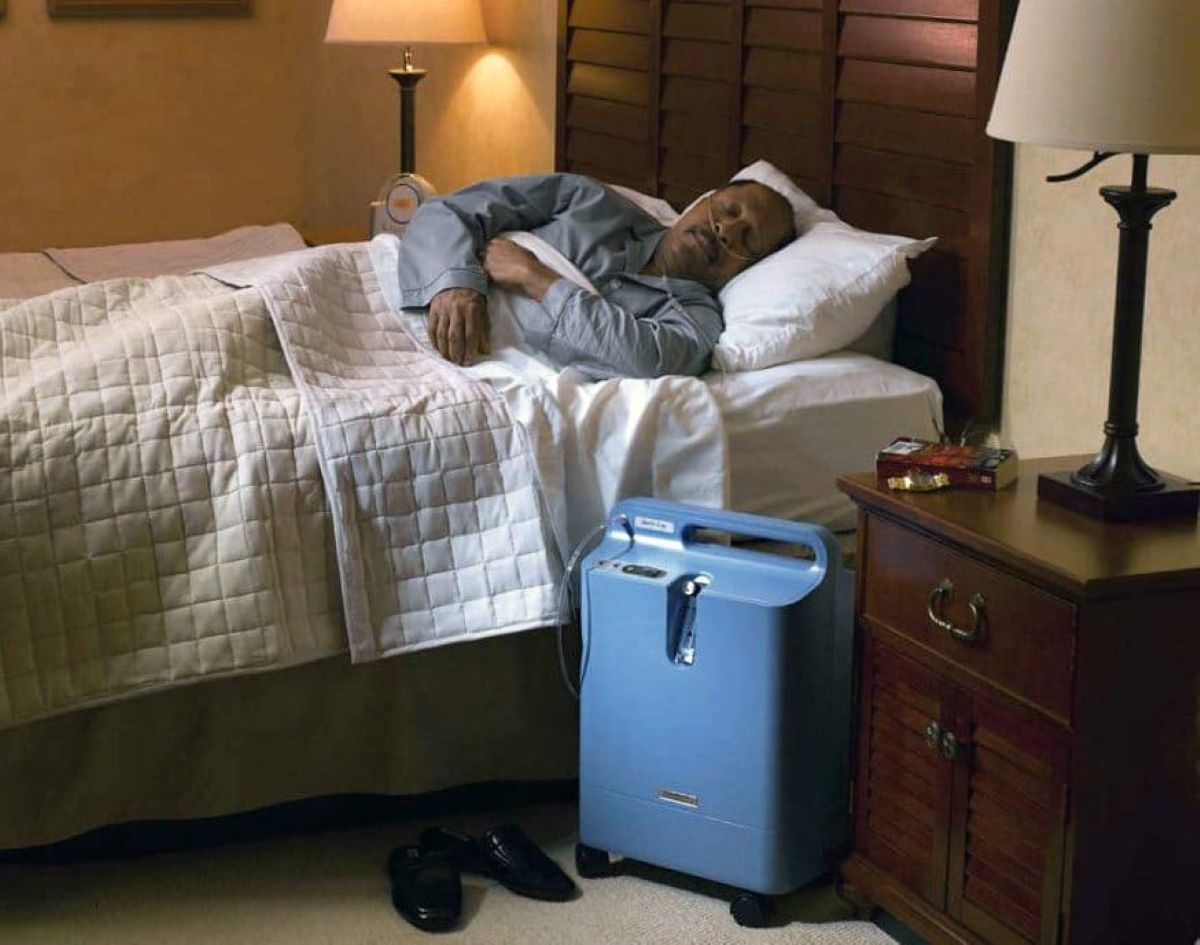
What is a Home Oxygen Machine and How Does it Work?
A home oxygen machine is a medical device that delivers supplemental oxygen to patients with low blood oxygen levels caused by chronic respiratory conditions. These machines work by drawing in ambient air, filtering out nitrogen and other gases, then concentrating the oxygen to levels typically between 87-95% purity before delivering it to the patient through nasal cannulas or masks.
The technology behind oxygen concentrators relies on a process called pressure swing adsorption. Room air contains approximately 21% oxygen, but patients requiring oxygen therapy need higher concentrations to maintain adequate blood oxygen levels. The machine pulls air through filters to remove dust and particles, then passes it through molecular sieve beds containing zeolite granules that trap nitrogen molecules whilst allowing oxygen to pass through.
Types of Home Oxygen Machines
There are two main types of home oxygen machine:
- Stationary concentrators: These machines are designed to stay in one place in the home and are powered by electricity. They are larger and heavier than portable units, but can deliver higher flow rates of oxygen.
- Portable oxygen concentrators: These devices are lightweight and battery-powered, making them easy to carry around. They are ideal for patients who need oxygen on the go or during travel.
Stationary Concentrators
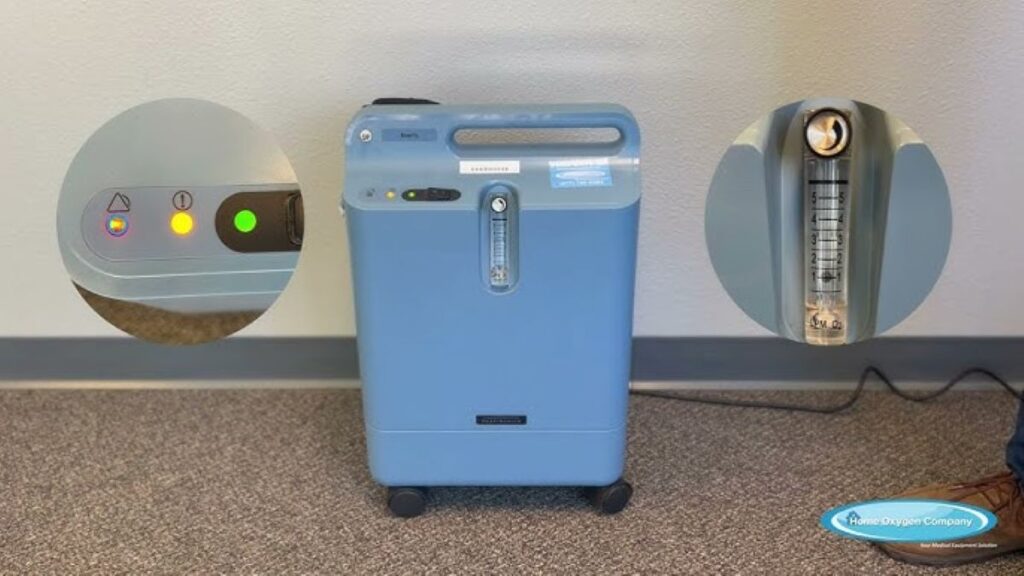
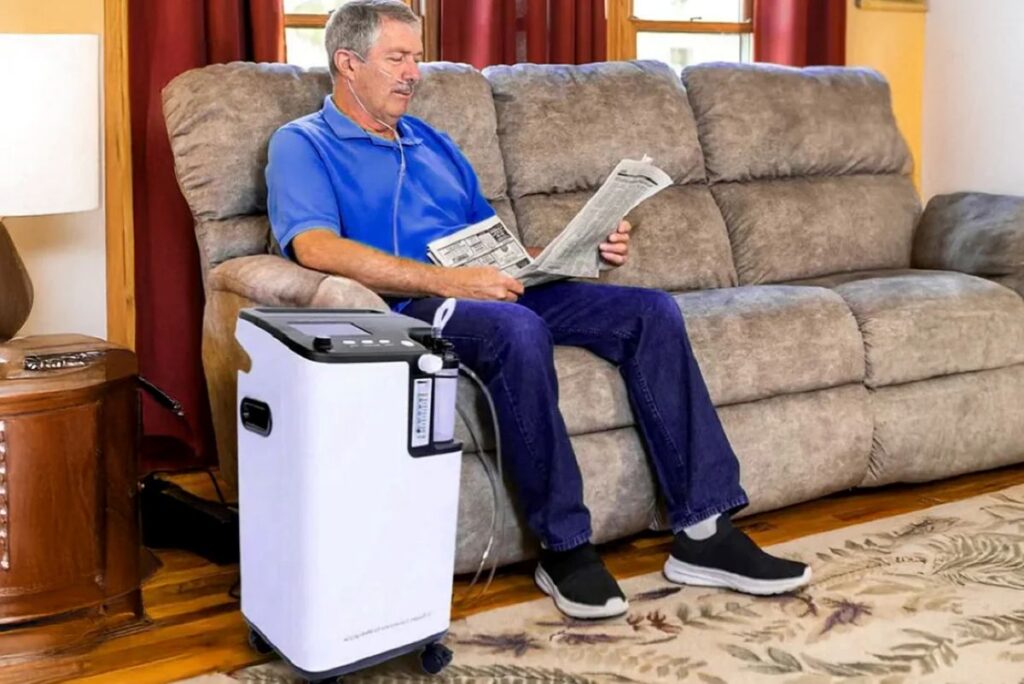
Stationary concentrators remain in one location within the home and plug directly into mains electricity. These units are larger, typically weighing 15-30 kg, and can deliver continuous oxygen flow rates ranging from 1 to 10 litres per minute. They’re designed for patients who primarily need oxygen therapy whilst resting at home or sleeping.
Portable Oxygen Concentrators
Portable oxygen concentrators offer mobility and independence for patients who remain active. These battery-powered devices weigh between 2-7 kg and can be carried using shoulder straps or wheeled trolleys. Most portable units use pulse-dose delivery, which releases oxygen only when the patient inhales, maximising battery life and oxygen efficiency.
Some patients use both types: a stationary concentrator at home for overnight therapy and extended rest periods, paired with a portable unit for daytime activities and travel. This combination approach ensures continuous access to oxygen therapy regardless of location or activity level.
Who Typically Needs Home Oxygen Therapy?
Home oxygen therapy is prescribed for patients with chronic respiratory conditions causing persistently low blood oxygen levels. The most common candidates are individuals with severe chronic obstructive pulmonary disease (COPD), particularly those in advanced stages where the lungs can no longer maintain adequate oxygen saturation. These patients experience significant breathing difficulties that compromise their body’s ability to function properly.
Beyond COPD, several other patient groups may require home oxygen therapy:
- Individuals with severe asthma that hasn’t responded adequately to standard treatments
- Patients with pulmonary fibrosis or other interstitial lung diseases
- Those with cystic fibrosis experiencing respiratory complications
- People with severe heart failure affecting oxygen circulation
- Patients with pulmonary hypertension
- Individuals recovering from severe pneumonia or acute respiratory distress
The decision to prescribe home oxygen therapy isn’t based solely on symptoms. Medical professionals use specific diagnostic tests to objectively measure blood oxygen levels and determine whether supplemental oxygen is medically necessary.
How Do Doctors Confirm the Need for Oxygen Therapy?
The arterial blood gas test serves as the gold standard for assessing oxygen levels in the bloodstream. This test involves drawing blood from an artery, typically in the wrist, to measure the partial pressure of oxygen (PaO2) and other critical blood gas values. Healthcare providers analyse these results to identify hypoxaemia—a condition where blood oxygen levels fall below the normal range.
Patients typically qualify for home oxygen therapy when their PaO2 falls below 7.3 kPa (55 mmHg) at rest, or below 8 kPa (60 mmHg) when accompanied by evidence of tissue hypoxia such as pulmonary hypertension or heart failure. Some patients may only experience low oxygen levels during physical activity or sleep, requiring ambulatory or nocturnal oxygen therapy rather than continuous use.
Pulse oximetry provides an additional non-invasive method for monitoring oxygen saturation levels. This simple test uses a small device clipped to a finger to measure oxygen saturation (SpO2). Readings consistently below 88% often warrant further investigation through arterial blood gas testing. Doctors may conduct multiple assessments over
How Does Home Oxygen Therapy Improve Survival and Health Outcomes?
Home oxygen therapy significantly extends life expectancy for patients with severe hypoxaemia caused by chronic respiratory diseases. Clinical trials have demonstrated that individuals with COPD and critically low blood oxygen levels who receive long-term oxygen therapy for at least 15 hours daily experience substantially improved survival rates compared to those without supplemental oxygen.
The evidence is particularly compelling for patients whose blood oxygen levels fall below specific thresholds. Research shows that continuous oxygen therapy can increase survival by several years in those with severe hypoxaemia, making it one of the most effective interventions for advanced respiratory disease.
How Oxygen Therapy Protects Vital Organs
When blood oxygen levels remain chronically low, every organ system in the body suffers. The heart must work harder to pump oxygen-depleted blood throughout the body, leading to strain and potential heart failure. The brain, kidneys, and liver all require a consistent oxygen supply to function properly.
Supplemental oxygen therapy addresses these risks by:
- Reducing the workload on the heart, preventing right-sided heart failure (cor pulmonale)
- Maintaining cognitive function and preventing confusion or memory problems
- Protecting kidney function and preventing organ deterioration
- Supporting liver metabolism and overall cellular health
The Mechanism Behind Improved Health Outcomes
Raising blood oxygen levels through therapy creates a cascade of positive effects throughout the body. Adequate oxygenation allows cells to produce energy efficiently, supporting normal metabolic processes. This improved cellular function translates to better physical stamina and reduced fatigue.
Patients receiving appropriate oxygen therapy often experience fewer hospital admissions for respiratory complications. Their bodies can better fight infections and recover from illness when oxygen levels remain stable. The therapy also helps prevent dangerous drops in oxygen saturation during sleep, which can otherwise lead to serious cardiovascular complications.
The protective effect extends to preventing secondary conditions. Chronic hypoxaemia triggers the body to produce excess red blood cells (polycythaemia), thickening the blood and increasing stroke risk. Oxygen therapy helps normalise red blood cell production, reducing these dangerous complications.
How Home Oxygen Therapy Improves Quality of Life
Home oxygen therapy transforms daily living by addressing the physical limitations that chronic respiratory conditions impose. Patients consistently report tangible improvements across multiple aspects of their everyday experiences, from morning routines to social activities.
Increased Energy Levels
Adequate oxygen saturation directly impacts cellular function throughout the body. When blood oxygen levels rise to therapeutic targets, patients notice a marked difference in their stamina and vitality. Simple tasks like preparing meals, getting dressed, or walking around the home become less exhausting. Many individuals find they can participate in activities they had previously abandoned, such as gardening, light housework, or spending quality time with grandchildren.
The mechanism behind this improvement is straightforward: oxygen fuels cellular metabolism. When tissues receive sufficient oxygen, they produce energy more efficiently, reducing the profound fatigue that characterises severe hypoxaemia.
Enhanced Sleep Quality
Nighttime oxygen therapy addresses the dangerous drops in blood oxygen that commonly occur during sleep in patients with chronic respiratory diseases. These nocturnal desaturations fragment sleep patterns and leave patients feeling unrested despite spending adequate time in bed.
Continuous oxygen delivery during sleep helps maintain stable oxygen levels, allowing for deeper, more restorative rest. Patients report:
- Fewer nighttime awakenings
- Reduced morning headaches
- Decreased daytime drowsiness
- Improved mental clarity upon waking
- Better mood regulation throughout the day
The cognitive benefits extend beyond simply feeling more alert. Proper oxygenation during sleep supports memory consolidation and emotional processing, functions that suffer when the brain experiences repeated oxygen deprivation.
Breathlessness Reduction During Activity
Whilst home oxygen therapy doesn’t directly treat the sensation of breathlessness, it enables patients to engage in physical activity with less distress. The supplemental oxygen provides a buffer during exertion, allowing individuals to move more freely without triggering severe dyspnoea.
This benefit proves particularly valuable for ambulatory oxygen users who employ portable concentrators during daily activities. Walking to the shops, attending medical appointments, or visiting friends becomes feasible again. The psychological impact of regained mobility cannot be overstated—independence and self-sufficiency contribute enormously to emotional wellbeing.
What Are the Limitations and Considerations of Using a Home Oxygen Machine?
Home oxygen therapy treats low blood oxygen levels rather than breathlessness itself. Many patients expect immediate relief from shortness of breath, but the therapy’s primary function is correcting hypoxaemia. Breathlessness may persist even with adequate oxygen supplementation, particularly during physical exertion or anxiety.
The treatment proves most effective for severe hypoxaemia in conditions like COPD. Evidence supporting benefits for milder oxygen deficiency or other respiratory diseases remains less conclusive. Patients with borderline oxygen levels may not experience significant improvements, making thorough diagnostic assessment essential before starting therapy.
Understanding When Oxygen Therapy May Not Help
Not all breathing difficulties stem from low oxygen levels. Patients experiencing breathlessness due to deconditioning, heart failure, or anxiety disorders may find limited benefit from oxygen supplementation. The therapy addresses only one aspect of respiratory disease management and cannot reverse underlying lung damage.
Some individuals develop oxygen dependency concerns, believing they need supplemental oxygen whenever breathlessness occurs. This misconception can lead to overuse beyond prescribed guidelines, potentially reducing motivation for pulmonary rehabilitation and physical activity that genuinely improve breathing capacity.
Essential Safety Precautions for Home Use
Oxygen significantly increases fire risk because it accelerates combustion. The gas itself doesn’t burn, but materials ignite more readily and burn intensely in oxygen-enriched environments. Safety precautions must become non-negotiable daily practices:
- Never smoke or allow smoking near oxygen equipment
- Keep oxygen cylinders and concentrators at least 2 metres from open flames, including candles, gas stoves, and fireplaces
- Avoid using oil-based products like petroleum jelly on the face whilst using oxygen
- Store equipment in well-ventilated areas away from heat sources
- Ensure electrical equipment is properly grounded and maintained
Practical Challenges of Daily Use
Nasal cannulas can cause skin irritation, nosebleeds, and dryness. The constant presence of tubing restricts movement within the home, creating tripping hazards. Portable concentrators offer mobility but require battery management and regular charging. Click here to get about skin disorders and exposure.
Equipment noise from stationary concentrators may disturb sleep or household members. Machines require regular maintenance, filter changes.
How Can Patients Maximise the Benefits of Their Home Oxygen Therapy?
Consistent use of oxygen therapy according to medical guidance directly determines treatment success. Patients prescribed long-term oxygen therapy typically need at least 15 hours of continuous use daily to maintain adequate blood oxygen levels and achieve the survival benefits demonstrated in clinical studies.
Why Does Continuous Therapy Adherence Matter?
Continuous therapy adherence forms the foundation of effective oxygen treatment. Patients who use their oxygen machines for the prescribed duration experience better health outcomes than those who use therapy intermittently. The body requires sustained oxygen levels to prevent tissue damage and support vital organ function.
Skipping therapy sessions or reducing usage hours without medical approval can lead to:
- Fluctuating blood oxygen levels that strain the cardiovascular system
- Increased risk of complications from hypoxaemia
- Reduced energy levels and worsening fatigue
- Diminished treatment effectiveness over time
Many patients feel tempted to discontinue therapy when symptoms improve, yet this improvement often results directly from consistent oxygen use. Stopping therapy prematurely can cause symptoms to return and potentially worsen the underlying condition.
See Also : A Review of the Best CPAP Masks Australia Has to Offer
How Do Regular Medical Assessments Support Treatment Success?
Regular medical assessments enable healthcare providers to track therapy effectiveness and make necessary adjustments. Blood oxygen levels can change as chronic respiratory conditions progress, requiring modifications to oxygen flow rates or usage schedules.
Scheduled check-ups typically include:
- Arterial blood gas tests to measure current oxygen saturation
- Review of oxygen usage patterns and adherence records
- Assessment of symptom changes since the last appointment
- Evaluation of equipment functionality and proper usage technique
- Discussion of any challenges or concerns affecting therapy compliance
These appointments provide opportunities to address practical issues affecting therapy use, such as discomfort from nasal cannulas, mobility challenges with portable units, or confusion about operating equipment correctly.
What Practical Steps Enhance Daily Therapy Compliance?
Creating routines around oxygen therapy helps integrate treatment into daily life seamlessly. Patients benefit from establishing specific times for stationary concentrator use and planning activities around portable oxygen availability.
Keeping detailed records of daily usage hours assists both patients and healthcare providers in identifying patterns and addressing compliance gaps. Modern oxygen concentrators often include built-in tracking features that automatically log usage data for medical review.
Conclusion
Home oxygen machines are an essential therapeutic tool for individuals managing chronic respiratory conditions in the comfort of their own homes. These devices deliver measurable improvements in survival rates for patients with severe hypoxaemia, particularly those with advanced COPD.
Understanding the Benefits of a Home Oxygen Machine extends beyond clinical outcomes. Patients experience tangible improvements in daily functioning, from increased energy levels to better sleep quality. The ability to maintain oxygen therapy whilst preserving mobility and independence transforms how individuals approach their condition.
The home oxygen benefits summary reveals multiple layers of impact:
- Extended survival rates in severe hypoxaemia cases
- Reduced risk of organ damage through sustained oxygen levels
- Enhanced exercise capacity and physical activity tolerance
- Improved sleep patterns and reduced fatigue
- Greater independence through portable oxygen solutions
Success with home oxygen therapy depends on patient commitment to prescribed usage durations and ongoing medical supervision. The technology empowers individuals to take an active role in managing their respiratory health without sacrificing their home environment or daily routines.
Medical evidence continues to support oxygen therapy as a cornerstone treatment for qualifying patients. When prescribed appropriately and used correctly, home oxygen machines provide both life-extending benefits and meaningful quality-of-life improvements. The combination of clinical efficacy and practical accessibility makes these devices an indispensable component of modern respiratory care management.
Patients equipped with proper education, safety awareness, and regular medical oversight can confidently integrate oxygen therapy into their lives, maintaining the oxygen levels necessary for optimal health outcomes.
FAQs (Frequently Asked Questions)
What is a home oxygen machine and how does it work?
A home oxygen machine, also known as an oxygen concentrator, filters and concentrates oxygen from the surrounding air to deliver supplemental oxygen to patients at home. There are common types including portable oxygen concentrators for mobility and stationary concentrators for continuous use.
Who typically needs home oxygen therapy?
Home oxygen therapy is commonly prescribed for patients with chronic respiratory conditions such as severe chronic obstructive pulmonary disease (COPD) and hypoxaemia. Diagnostic assessments like arterial blood gas tests help confirm the need for this therapy.
How does home oxygen therapy improve survival and health outcomes?
Home oxygen therapy has been shown to improve survival rates in patients with severe hypoxaemia caused by chronic respiratory diseases. By raising blood oxygen levels, it reduces the risk of organ damage and other serious complications.
In what ways does home oxygen therapy enhance quality of life?
Beyond improving survival, home oxygen therapy enhances quality of life by increasing energy levels, improving sleep quality, and reducing breathlessness experienced by patients using home oxygen machines.
What are the limitations and safety considerations when using a home oxygen machine?
While home oxygen therapy primarily treats low blood oxygen levels rather than directly relieving breathlessness, users must observe safety precautions such as managing fire risks to ensure safe operation of their machines.
How can patients maximise the benefits of their home oxygen therapy?
Patients can maximise benefits by adhering strictly to prescribed continuous therapy durations and attending regular medical assessments to monitor progress and adjust treatment as needed.