


What is a Comprehensive Sleep Test and How Does it Work?
A comprehensive sleep test is a diagnostic procedure that monitors and records your body’s physiological activities throughout the night. These tests serve to identify sleep disorders, particularly sleep apnea, and provide detailed insights into what happens while you’re unconscious.
The primary purpose of the test is to capture objective data about your sleep quality and identify disruptions that may be affecting your health. Sleep specialists use this information to diagnose conditions that occur during sleep but impact your waking hours through fatigue, cognitive impairment, and increased health risks.
What makes home-based sleep studies different from laboratory tests?
Home-based sleep studies allow patients to undergo testing in their own bedrooms using portable monitoring equipment. If you’re considering a Sleep Test Brisbane option, home-based assessments make the process convenient and comfortable. You receive the device from a clinic, attach sensors to specific body parts before bed, and sleep as normally as possible. The equipment records data throughout the night, which you return the following day for analysis.
In-laboratory sleep studies take place in specially equipped hospital rooms designed to resemble comfortable hotel accommodations. For individuals seeking a more detailed Sleep Test Brisbane, in-lab studies offer comprehensive monitoring. A sleep technician observes you throughout the night using more extensive equipment. These studies typically provide more detailed data collection since technicians can adjust sensors and observe sleep behaviors in real time.
The choice between these options depends on several factors:
- Severity of suspected condition – Complex cases often require laboratory monitoring
- Patient mobility and comfort needs – Home testing suits those uncomfortable sleeping away from home
- Insurance coverage and cost considerations – Home tests generally cost less
- Physician recommendations – Some conditions require the detailed monitoring only labs provide
What specific data do these tests capture?
Understanding your night-time patterns with a comprehensive sleep test involves collecting multiple data streams simultaneously. Each measurement reveals different aspects of your sleep physiology.
- Airflow monitoring: tracks the movement of air through your nose and mouth. Sensors detect when breathing stops or becomes significantly reduced, which indicates apnea or hypopnea events. This measurement proves critical for diagnosing obstructive sleep apnea.
- Breathing patterns: get recorded through chest and abdominal bands that measure respiratory effort. These bands detect whether you’re attempting to breathe even when airflow has stopped, distinguishing between obstructive and central sleep apnea.
- Snoring detection:
Why Should Individuals in Brisbane Consider Getting a Sleep Test?
What symptoms suggest you might need a sleep test? Persistent daytime fatigue despite spending adequate hours in bed often signals an underlying sleep disorder Brisbane residents shouldn’t ignore. When you find yourself struggling to stay awake during meetings, fighting drowsiness while driving, or needing multiple cups of coffee just to function, your body is sending clear distress signals about the quality of your nighttime rest.
Loud, chronic snoring represents another red flag that warrants professional evaluation. While many people dismiss snoring as merely annoying, it frequently indicates obstructed breathing during sleep. Partners often report witnessing breathing pauses or gasping episodes throughout the night—observations that point directly toward conditions requiring medical attention.
Additional warning signs include:
- Morning headaches that fade as the day progresses
- Difficulty concentrating or memory problems
- Irritability and mood changes
- Waking with a dry mouth or sore throat
- Frequent nighttime urination
- Restless sleep with tossing and turning
Why does early diagnosis matter so much? Sleep apnea and other sleep disorders Brisbane specialists diagnose don’t simply affect how rested you feel. Left untreated, these conditions create cascading health consequences that worsen over time. Sleep apnea causes repeated drops in blood oxygen levels throughout the night, forcing your cardiovascular system to work harder during what should be restorative hours.
The benefits of sleep testing become apparent when considering the serious complications that early intervention prevents. Untreated sleep apnea increases your risk of:
- High blood pressure and hypertension
- Heart disease and irregular heartbeats
- Type 2 diabetes
- Stroke
- Metabolic syndrome
Each night of disrupted breathing compounds these risks. Your body never achieves the deep, restorative sleep phases necessary for cellular repair, hormone regulation, and cognitive processing. The stress hormones released during breathing interruptions keep your system in a perpetual state of low-level emergency response.
How does sleep testing support chronic condition management? Patients with existing health conditions often discover their sleep quality directly influences disease progression and symptom severity. The benefits of sleep testing extend beyond identifying new disorders—they reveal crucial connections between nighttime patterns and daytime health challenges.
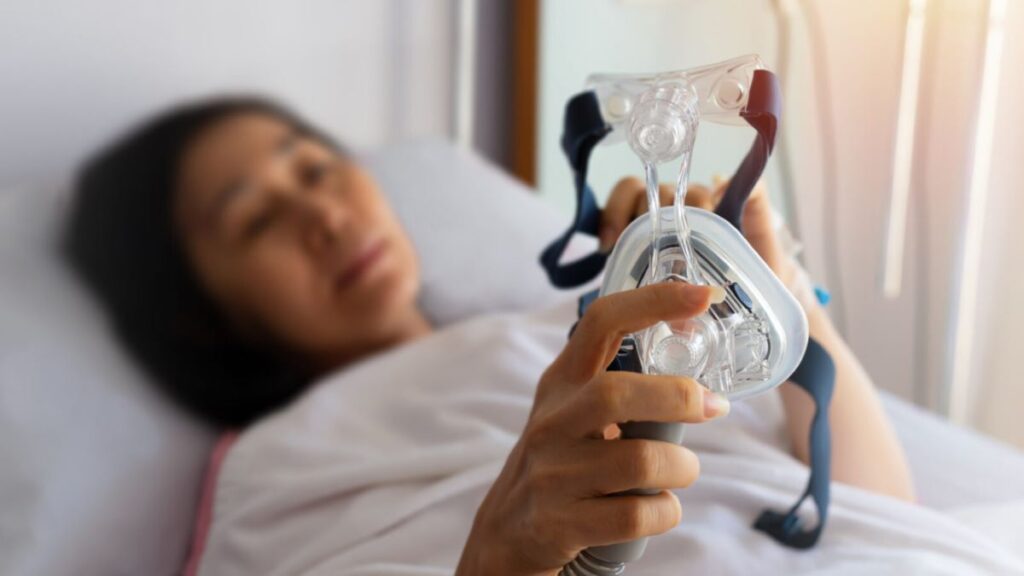
How Are Sleep Tests Conducted in Brisbane?
What happens during a home sleep testing process?
Home sleep testing provides a convenient alternative to laboratory studies, allowing patients to undergo assessment in their own bedroom. Brisbane sleep clinics supply specialized equipment that patients collect from the clinic or receive via courier. The device typically consists of sensors attached to the chest, finger, and sometimes the face to capture essential sleep data throughout the night.
Patients receive clear instructions on how to position each sensor before bedtime. The chest band monitors breathing patterns and body position, while a finger probe tracks blood oxygen saturation levels. Some devices include nasal cannulas to measure airflow and detect breathing interruptions. The equipment automatically records data throughout the sleep period, requiring minimal interaction once properly set up.
The home sleep testing process spans one to three nights depending on the clinic’s protocol and the quality of data captured. Patients return the equipment the following day, either by dropping it at the clinic or arranging courier pickup. This method suits individuals with mobility limitations, busy schedules, or those who sleep better in familiar surroundings.
How does hospital laboratory testing differ from home studies?
Hospital laboratory testing takes place in specially designed sleep rooms within Brisbane sleep clinics or medical facilities. These rooms resemble hotel accommodations, featuring comfortable beds and climate control to promote natural sleep. Trained sleep technologists monitor patients throughout the night from an adjacent control room.
The laboratory setup involves more comprehensive monitoring than home tests. Technologists attach approximately 20-25 sensors to various body locations:
- Scalp electrodes measure brain wave activity (EEG)
- Facial sensors track eye movements and muscle tension
- Chest and abdominal bands monitor breathing effort
- Leg electrodes detect limb movements
- Heart rate monitors record cardiac rhythm
- Oxygen sensors measure blood oxygen levels
- Microphones capture snoring intensity
This extensive monitoring provides detailed insights into sleep architecture, including the different sleep stages and any disruptions occurring throughout the night. Laboratory studies prove particularly valuable when diagnosing complex sleep disorders beyond sleep apnea, such as narcolepsy, periodic limb movement disorder, or parasomnias.
What equipment do Brisbane sleep clinics use for monitoring?
Modern sleep testing equipment combines portability with sophisticated data collection capabilities
Who Analyzes the Sleep Test Data and What Happens Next?
General practitioners and specialist sleep physicians work together to interpret your sleep study results. Your GP typically receives the initial data and may refer you to a sleep specialist Brisbane clinics employ for complex cases requiring expert analysis.
The Role of General Practitioners in Sleep Test Analysis
General practitioners serve as the first point of contact for reviewing sleep test data. They examine the recorded information from your overnight study and identify obvious patterns or abnormalities. Your GP can diagnose straightforward cases of sleep disorders and initiate basic treatment protocols.
When test results reveal complex sleep issues or multiple concurrent conditions, your general practitioner will coordinate a referral to specialized sleep physicians. This collaborative approach ensures you receive appropriate care matched to the severity and complexity of your condition.
How Sleep Specialists Interpret Your Results
Sleep specialists bring advanced training in sleep medicine to analyze your test data comprehensively. These physicians examine every aspect of your recorded night-time patterns, looking beyond surface-level symptoms to understand underlying causes.
A sleep specialist Brisbane patients consult with will review:
- Respiratory patterns – frequency and duration of breathing interruptions
- Oxygen saturation levels – drops in blood oxygen throughout the night
- Sleep architecture – time spent in different sleep stages
- Movement disorders – leg movements or body position changes
- Cardiac rhythms – heart rate variations during sleep events
- Arousal patterns – frequency of sleep disruptions
These specialists use their expertise to distinguish between various sleep disorders that may present similar symptoms. They identify whether you’re experiencing obstructive sleep apnea, central sleep apnea, periodic limb movement disorder, or other conditions affecting your rest.
Methods Used for Data Analysis
Sophisticated software systems process the raw data collected during your sleep test. These programs generate detailed reports showing graphs, charts, and numerical values representing your night-time physiological activity.
Sleep physicians review automated scoring alongside manual interpretation. The software identifies potential events such as apneas (complete breathing stops) and hypopneas (partial breathing reductions). Specialists then verify these automated findings against the actual recorded signals to ensure accuracy.
The analysis calculates key metrics including:
- Apnea-Hypopnea Index (AHI) – a critical measure in assessing sleep apnea severity.
What Treatment Options Are Available After a Diagnosis?
CPAP therapy Brisbane services provide the most common and effective treatment for moderate to severe obstructive sleep apnea. Continuous Positive Airway Pressure (CPAP) machines deliver a steady stream of pressurized air through a mask worn during sleep, keeping airways open and preventing breathing interruptions throughout the night.
Modern CPAP devices offer various mask styles to accommodate different sleeping positions and facial structures. Nasal masks cover only the nose, while full-face masks cover both nose and mouth for those who breathe through their mouth during sleep. Nasal pillow masks insert directly into the nostrils, providing a minimalist option for patients who feel claustrophobic with larger masks.
Brisbane sleep clinics typically provide comprehensive CPAP setup services, including mask fitting sessions and pressure titration to determine optimal settings. Many facilities offer trial periods allowing patients to test different mask styles before committing to a specific model. The adjustment period usually spans several weeks as patients adapt to sleeping with the device.
Oral appliance therapy presents an alternative for patients with mild to moderate sleep apnea or those unable to tolerate CPAP therapy. These custom-fitted dental devices reposition the lower jaw and tongue to maintain an open airway during sleep. Dentists specializing in sleep medicine create these appliances using precise measurements and impressions of the patient’s mouth.
Two primary types of oral appliances exist:
- Mandibular advancement devices (MADs) hold the lower jaw forward, preventing the tongue from collapsing backward
- Tongue retaining devices hold the tongue in a forward position using suction
Patients wearing oral appliances require regular dental check-ups to monitor jaw alignment and device effectiveness. Adjustments may be necessary over time as the device settles or as treatment needs change. Brisbane dental sleep medicine specialists work closely with sleep physicians to ensure coordinated care.
Medication-Based Interventions
Medications for sleep disorders address specific symptoms and underlying conditions contributing to poor sleep quality. No single medication treats obstructive sleep apnea directly, but various pharmaceuticals manage related symptoms and comorbid conditions.
Stimulant medications like modafinil help combat excessive daytime sleepiness in patients with sleep apnea who continue experiencing
Are There Bulk-Billed or Affordable Sleep Testing Services in Brisbane?
Can you access bulk-billed sleep tests in Brisbane?
Yes, numerous clinics across Brisbane offer bulk-billed sleep tests for eligible patients who hold a valid Medicare card and GP referral. These services eliminate out-of-pocket expenses for initial consultations and diagnostic testing, making sleep health assessments accessible to those who might otherwise delay seeking help due to financial constraints.
Bulk-billed sleep tests Brisbane services operate under Medicare’s framework for diagnosing sleep disorders. Patients typically need a referral from their general practitioner, which triggers Medicare rebates for both the consultation with a sleep physician and the diagnostic study itself. The eligibility criteria remain straightforward: Australian residents with Medicare coverage can access these services without upfront payment at participating clinics.
What locations provide affordable sleep testing options?
Multiple facilities across Brisbane’s northern, southern, and western suburbs provide affordable sleep testing, with several offering bulk-billing arrangements. These locations span from the CBD to outer metropolitan areas, ensuring geographic accessibility matches financial accessibility.
Affordable sleep clinics Brisbane options include:
- Northside locations: Clinics in Chermside, Strathpine, and North Lakes serve residents in northern suburbs
- Southside facilities: Testing centers in Logan, Springwood, and Sunnybank cater to southern communities
- Western suburbs: Services available in Ipswich and surrounding areas
- Central Brisbane: CBD-based clinics offer convenience for city workers
- Bayside areas: Facilities near Redcliffe and Wynnum serve coastal communities
Many clinics operate satellite locations or mobile services, bringing sleep testing equipment directly to patients in regional areas surrounding Brisbane. This distributed network reduces travel burden while maintaining affordability through bulk-billing arrangements.
How does home-based testing reduce costs?
Home sleep testing significantly reduces costs by eliminating hospital accommodation fees and minimizing staffing requirements. Patients collect the portable monitoring equipment from a clinic or receive it via courier, attach the sensors themselves following provided instructions, and return the device the next day.
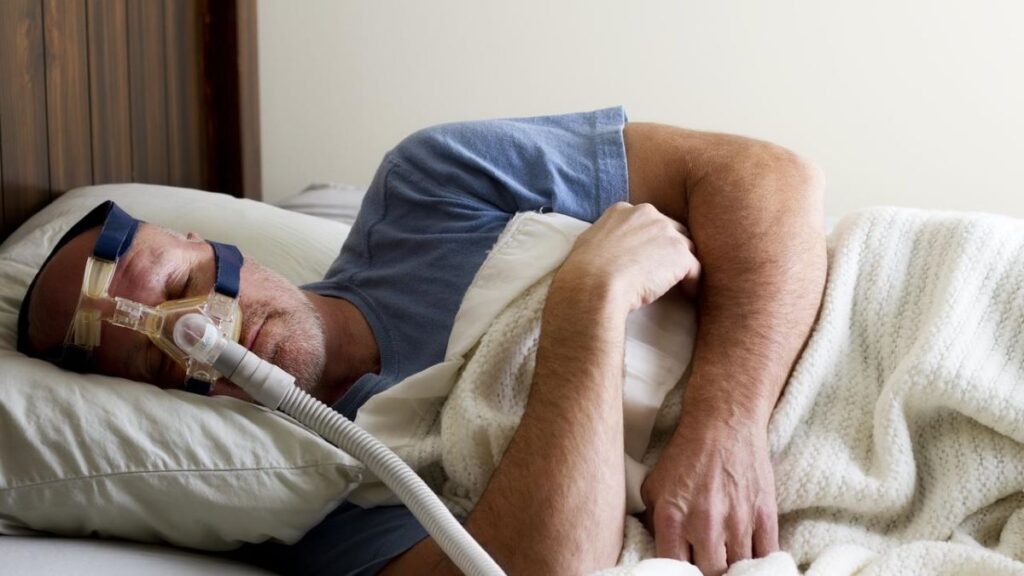
How Do Comprehensive Sleep Tests Help Patients Understand Their Night-Time Patterns?
What specific insights do sleep tests reveal about your night-time behavior?
Comprehensive sleep tests transform mysterious night-time hours into quantifiable data that reveals exactly what happens while you sleep. The detailed monitoring captures multiple physiological parameters simultaneously, creating a complete picture of your sleep architecture. This data shows how many times you stop breathing, how long these episodes last, and precisely when they occur throughout the night.
The test results identify patterns in your oxygen saturation levels, revealing whether your blood oxygen drops to concerning levels during sleep. Brain wave monitoring distinguishes between different sleep stages, showing if you’re spending adequate time in restorative deep sleep and REM sleep. Heart rate variability data indicates how your cardiovascular system responds to sleep disruptions, while leg movement sensors detect restless leg syndrome or periodic limb movements that fragment sleep quality.
https://thenaturalhealthplace.com/sleep-apnea-test-perth-what-impacts-assessment-outcomes-and-how-to-find-the-right-specialist/Body position tracking reveals whether certain sleeping positions trigger or worsen symptoms. Many patients discover their breathing problems intensify when sleeping on their backs, information that leads to simple yet effective positional therapy recommendations. Eye movement recordings help specialists identify REM sleep behavior disorders or other parasomnia conditions that might otherwise go unnoticed. Click here to get what impacts assessment outcomes and how to find the right specialist for sleep apnea test.
How does understanding these patterns empower Brisbane patients?
Knowledge transforms patients from passive sufferers into active participants in their health management. When you receive detailed reports showing exactly how many times you woke during the night—even if you don’t remember waking—the connection between poor sleep and daytime symptoms becomes crystal clear. This concrete evidence validates experiences that partners or family members might have dismissed or that you questioned yourself.
The data provides objective measurements that replace guesswork with precision. Instead of vaguely describing feeling tired, you can point to specific metrics: oxygen desaturation events, sleep efficiency percentages, or arousal indexes. This specificity helps healthcare providers tailor treatments more effectively and gives you benchmarks for measuring improvement over time.
Understanding your unique sleep patterns enables informed conversations with specialists. You can ask targeted questions about why your oxygen levels drop most severely during REM sleep or why you experience more breathing disruptions in the early morning hours. This patient education on sleep health builds confidence in treatment decisions and increases commitment to recommended therapies.
