This guide covers reputable clinic options people commonly choose in Perth, what the testing process looks like, what it costs, and how results typically turn into treatment.
What is a sleep test, and what does it measure?
A sleep test measures breathing, oxygen levels, heart rate, and sleep stages to identify disorders like obstructive sleep apnoea. Most tests also track snoring, airflow, chest movement, and body position so clinicians can see exactly what happens during sleep. People wanting a better understanding of professional overnight testing and diagnosis can check out more about sleep study services in Perth.
Depending on symptoms, they may recommend a home sleep study or an in-lab overnight study.
Which clinics in Perth are commonly used for sleep testing?
Perth has several established providers that patients and referrers commonly use. Availability can change, so they should confirm wait times, rebates, and whether a referral is required.
- Sleep Disorders Centre (Sir Charles Gairdner Hospital, Nedlands): A major public hospital sleep service that typically manages complex cases and specialist referrals.
- St John of God Sleep Service (Subiaco and Murdoch campuses): Private hospital-based sleep testing and follow-up pathways.
- Hollywood Private Hospital (Nedlands): Offers sleep services via affiliated specialists and testing pathways.
- WA Sleep (West Perth and other locations): A well-known private provider offering home studies and support for sleep apnoea management.
- Private respiratory and sleep physician rooms across Perth: Many specialists arrange testing through partner labs and then manage treatment directly.
They should choose based on clinical complexity, budget, location, and whether they want hospital-based care or a streamlined private pathway.
How do they choose between a home sleep study and an in-lab study?
Most people start with a home sleep study because it is simpler and often cheaper. In-lab studies are usually recommended when symptoms are complex or when home data might miss key issues.
A home sleep study is often suitable when they:
- have loud snoring and witnessed breathing pauses
- wake gasping or choking
- feel unrefreshed despite enough hours in bed
- have high daytime sleepiness
An in-lab study is more likely when they:
- may have other sleep disorders (parasomnias, narcolepsy)
- have significant heart, lung, or neurological conditions
- have failed prior testing or treatment and need deeper analysis
What happens during a home sleep test in Perth?
They usually collect a kit from the clinic or receive it by courier, then set it up before bed. The equipment typically includes a nasal cannula for airflow, bands around the chest or abdomen, and a finger probe for oxygen levels.
Most clinics provide a quick demo, printed instructions, and a support number. The next day, they return the kit and the data is reviewed by a clinician.
What happens during an in-lab sleep study in Perth?
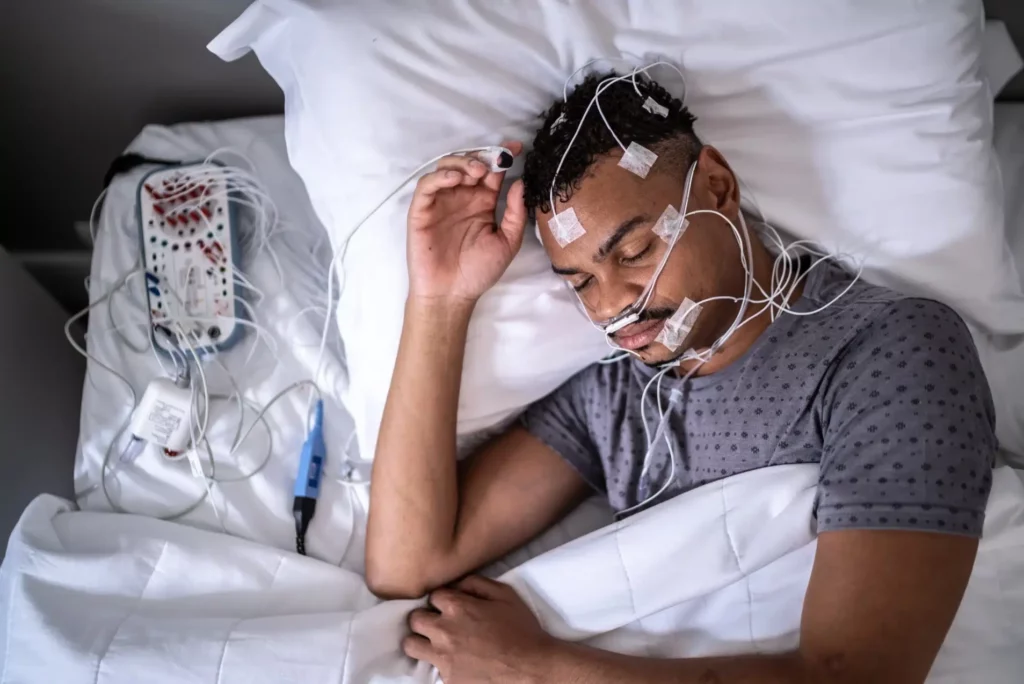
They attend a sleep lab in the evening and sleep overnight while sensors record detailed signals, often including brain activity (EEG). A technician monitors the signals and may adjust equipment if sensors shift overnight.
It can feel unfamiliar, but most people still sleep enough for accurate data. In-lab testing is often the most comprehensive way to confirm and classify sleep disorders.
What conditions can a sleep test diagnose?
A sleep test most commonly diagnoses obstructive sleep apnoea, but it can also help identify other issues. The test helps clinicians match treatment to the actual cause rather than guessing.
Common findings include:
- Obstructive sleep apnoea (OSA)
- Central sleep apnoea
- Upper airway resistance
- Nocturnal oxygen desaturation
- Periodic limb movements (in many in-lab studies)
- Insomnia patterns (through sleep efficiency and arousals)
What do results mean, and how are they reported?
Results are usually summarised using the AHI (Apnoea-Hypopnoea Index), which counts breathing events per hour. They may also report oxygen desaturation levels, snoring intensity, heart rate changes, and arousal frequency.
Most clinics provide:
- a written report
- a severity classification
- a follow-up appointment to explain next steps
How long does it take to get sleep test results in Perth?
Many private home studies return results within several business days, depending on clinician availability. Public hospital pathways can take longer due to referral volumes and triage.
They should ask upfront about typical turnaround and whether an urgent review is available if symptoms are severe.
What should they do to prepare for a sleep test?
Preparation is usually simple: aim for a normal day and a normal bedtime. The goal is to capture typical sleep, not “perfect” sleep.
Most clinics recommend they:
- avoid excessive caffeine late in the day
- keep alcohol to a minimum on test night
- bring their usual sleepwear and toiletries (for in-lab)
- charge their phone if the device uses an app
- remove nail polish if a finger oxygen probe is used
How much does a sleep test in Perth cost, and are there rebates?
Costs vary by provider, test type, and inclusions (reporting clinician, follow-up appointment, equipment quality). Home sleep studies are typically cheaper than in-lab studies.
They should ask these questions before booking:
- Is a GP referral required?
- Is Medicare available for the test or the specialist consult?
- Are private health insurance benefits available for in-lab studies?
- Does the quoted price include the report and follow-up?
What happens after a diagnosis of sleep apnoea?
If sleep apnoea is confirmed, the next step is usually treatment selection based on severity, symptoms, and preferences. Many people start feeling better quickly once therapy is consistent.
Common options include:
- CPAP (gold standard for moderate to severe OSA)
- Mandibular advancement splints via a qualified dentist (often for mild to moderate OSA)
- Weight management and positional therapy when appropriate
- Nasal management if congestion affects breathing
- Specialist review for complex cases or central apnoea
What should they expect if CPAP is recommended?
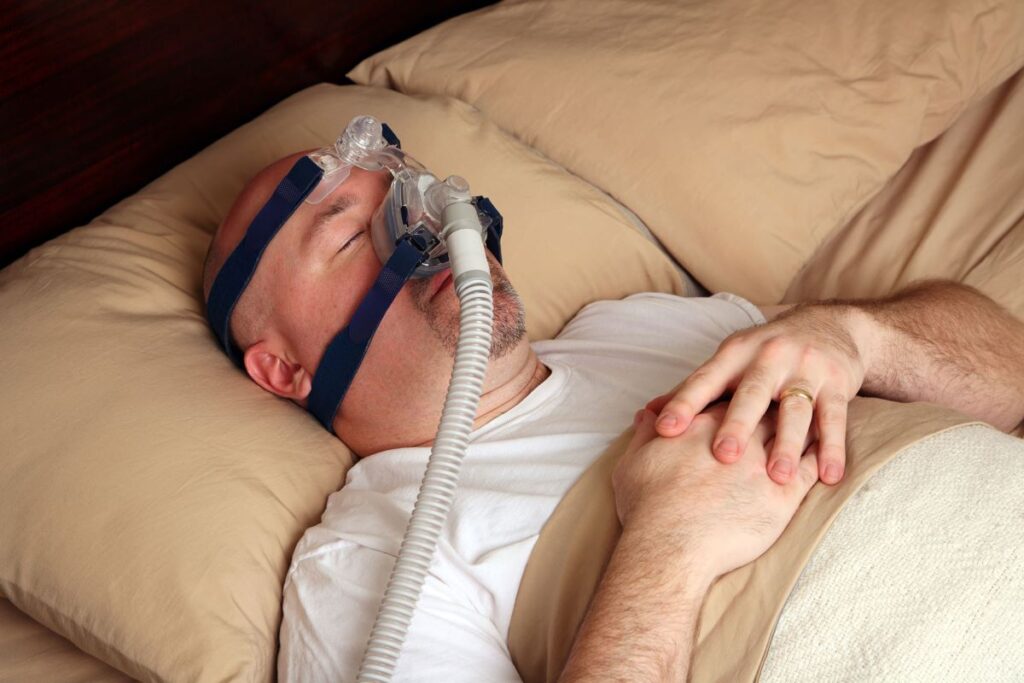
They can expect a setup process, mask fitting, and a period of adjustment. Good clinics typically support mask changes, pressure optimisation, and data checks to make therapy comfortable and effective.
They should look for providers that offer:
- mask trials or swap options
- early follow-up within the first few weeks
- education on cleaning, comfort, and troubleshooting
How do they book a sleep test in Perth?
Booking is usually done through a GP referral to a sleep physician or directly with a private sleep clinic for a home study. The fastest path often depends on whether they want specialist oversight from the start.
If symptoms are significant, they should speak to a GP promptly, especially if there are safety concerns like drowsy driving.
What are the key questions they should ask any Perth clinic before booking?
A few direct questions can prevent surprises and improve outcomes. Clinics that answer clearly usually run smoother from testing to treatment.
They should ask:
- What test is recommended for their symptoms, and why?
- Who interprets the data, and what are their qualifications?
- What is the total cost, and what is included?
- How soon are results available?
- What treatment support is offered after diagnosis?
Conclusion: What should they take away before organising a sleep test in Perth?
They should expect a straightforward process, especially with a home sleep study, and a clear results report that links to real treatment options. Choosing a clinic is less about “best” and more about fit: speed, support, transparency on costs, and the right level of specialist care.
If they suspect sleep apnoea or persistent sleep disruption, a properly interpreted sleep test is often the quickest route to feeling normal again.
Related : How Much Does a Sleep Study Cost in Australia in 2026?